E-Bike Tuning – Features, Capabilities, and Key Differences

What Is E-Bike Tuning?
 E-bike tuning refers to technical solutions that influence the 25 km/h assistance limit found on many pedelecs.
Depending on the system, this is achieved either by modifying sensor signals or by intelligently processing the data provided by the bicycle.
As a result, motor assistance remains available even above the factory-set speed limit.
How Does E-Bike Tuning Work?
Modern E-bikes use various sensors to measure speed, cadence, and other riding data.
Once the bike reaches 25 km/h, the system reduces or stops motor assistance.
Tuning solutions intervene at this point in the data processing chain, allowing the assistance limit to be modified.
What Types of E-Bike Tuning Are Available?
Over the years, various approaches have been developed to modify the speed limit of E-bikes. These solutions differ in terms of installation effort, ease of use, functionality, and how ride data is displayed.
Sensor-Based Solutions
These systems influence the signal from the speed sensor. In many cases, this is achieved by using an different magnet, sensor or other manipulations of both.
Their main advantage is a relatively simple design. However, such solutions are often visible and may require more installation effort depending on the bike model.
Tuning Modules
Many tuning modules directly modify the processing of the speed signal. As a result, motor assistance remains available even above 25 km/h.
Earlier systems often worked by reducing the displayed speed value. As a consequence, not only the speed reading but also mileage, average speed, and other ride data were displayed inaccurately.
Removable Systems
Some systems can be removed from the bike when required, allowing the tuning function to be quickly disabled when not in use.
These solutions offer a high degree of flexibility and are particularly popular among riders who only use tuning occasionally.
Modern Real-Time Data Solutions
Current tuning technologies follow significantly more sophisticated approaches. Their goal is to provide motor assistance above 25 km/h while preserving the display of important ride data.
As a result, speed, mileage, average speed, maximum speed, and other information remain fully usable on the display.
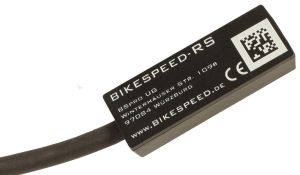
One example is the RealSpeed technology developed by bikespeed, which allows the display to show the actual riding speed.
Which Solution Is Right for You?
The most suitable tuning solution depends on your individual requirements and the drive system used on your E-bike.
While some riders prioritize a simple and cost-effective solution, others place greater value on accurate speed readings, discreet integration, or maximum ease of use.
Modern E-bike drive systems from Bosch, Yamaha, Brose, Panasonic, TQ, Sachs, and Pinion also have different technical characteristics, which influence the type of tuning solution that is most appropriate.
How Do Modern and Older E-Bike Tuning Concepts Differ?
Earlier tuning solutions often worked by reducing the displayed speed value.
As a result, not only the speed reading but also other data such as mileage, average speed, and range estimation became inaccurate.
Modern systems use more sophisticated approaches that allow actual ride data to remain accurate and fully usable.
E-Bike Tuning with RealSpeed Display
With the bikespeed-RS, a solution was developed that can display the actual riding speed even while motor assistance remains available above the standard 25 km/h limit.
Mileage, average speed, maximum speed, and other ride data also remain fully usable and accurately displayed.
Find the Right bikespeed for Your E-Bike
Which system is suitable for your bike depends on the drive system, display, and software version. Our product finder helps you identify the right bikespeed solution for your E-bike:
⇒ Find the Right bikespeed for Your E-Bike